


Preparing for mid-term exams
Mid-term exams can be both exciting and nerve-wracking for students. As the exam day gets closer, feelings of nervousness and doubts often arise. We all have experienced this feeling when you are preparing for an exam till midnight in suspense about what could be asked in the exam paper.
However, it’s important to remember that mid-term exams are stepping stairs toward the final examinations. They offer students a valuable opportunity to assess their understanding of the subjects and identify areas for improvement. With the right approach, preparing for mid-terms can help build the foundation for a strong final exam performance.
Strategies for the mid-terms:
1. Organize Your Study Material
Before jumping into study sessions, take some time to organize your notes, textbooks, and any other study materials. Make sure everything is in order and easy to access. Break down each subject into topics, and prioritize what needs more attention. Having your materials in order can save you time and help you focus on what’s important.
2. Create a Study Schedule
Time management is key when preparing for exams. Create a study schedule that allocates time for each subject based on its difficulty and the amount of material to cover. Be sure to include breaks to avoid burnout. A well-structured schedule will not only keep you on track but also ensure that you’re not cramming everything at the last minute.
3. Understand the Mid-term Exams Format
It’s important to understand the format of your upcoming exams. Are they multiple-choice, essay-based, or a mix of both? Knowing the format helps you tailor your study approach. For instance, if it’s an essay-based exam, practice writing concise and well-structured answers. If it’s multiple-choice, focus on key facts and details that are likely to be tested.
4. Break Down Study Sessions
Don’t try to study for hours on end without taking breaks. Break down your study sessions into smaller chunks, such as 45 minutes of focused study followed by a 10-minute break. This method, known as the Pomodoro Technique, can improve focus and help retain information better.
5. Use Active Learning Techniques
Passive reading isn’t always the best way to study. Instead, engage in active learning by:
- Summarize what you’ve read in your own words.
- Creating mind maps or diagrams to visualize complex concepts.
- Teaching the material to someone else reinforces your understanding.
- Practising with past exam papers or quizzes is the most effective study technique.
These techniques make your brain work harder, which helps you remember information more effectively.
6. Focus on Weak Areas
While it’s tempting to spend time on subjects you’re good at, don’t ignore the areas where you struggle. Identify your weak spots early on and dedicate extra study time to them. Whether it’s a tricky math formula or a complicated historical event, make sure you address these areas before the exam.
7. Review and Revise Regularly
Regular review sessions are essential. Don’t wait until the night before the exam to start revising. Instead, review your notes and key concepts daily or weekly. This reinforces your knowledge and makes it easier to recall information when it counts.
8. Stay Healthy
Your physical and mental health plays a significant role in exam success. Get enough sleep, eat nutritious meals, and stay hydrated. Exercise regularly to keep your mind sharp and reduce stress. Avoid staying up late and cramming, as lack of sleep can negatively impact your performance.
9. Practice Time Management in Exams
During the exam, managing your time is crucial. If you’re given two hours for a test, plan how much time you’ll spend on each section. Don’t spend too much time on one question, and make sure to leave time to review your answers before submitting your paper.
10. Stay Calm and Positive
Exams can be stressful, but staying calm and positive is essential. Avoid negative thoughts and trust in the preparation you’ve done. Practice deep breathing or meditation if you feel overwhelmed. A calm mind will help you think more clearly during the exam.
Teachers’ Support During Exam
Teachers can play a significant role in easing the stress of exam preparation. By offering extra classes, conducting doubt-clearing sessions, or scheduling one-on-one interactions, teachers can actively engage with students and ensure they understand key concepts.
These sessions not only help clarify difficult topics but also build student confidence. Teachers can also offer tailored advice on how to approach specific exam sections and manage their study time effectively.
This personalized guidance from teachers can make a big difference in helping students feel prepared and supported as they gear up for their mid-term exams.
Mid-term exams can also be fun to learn!
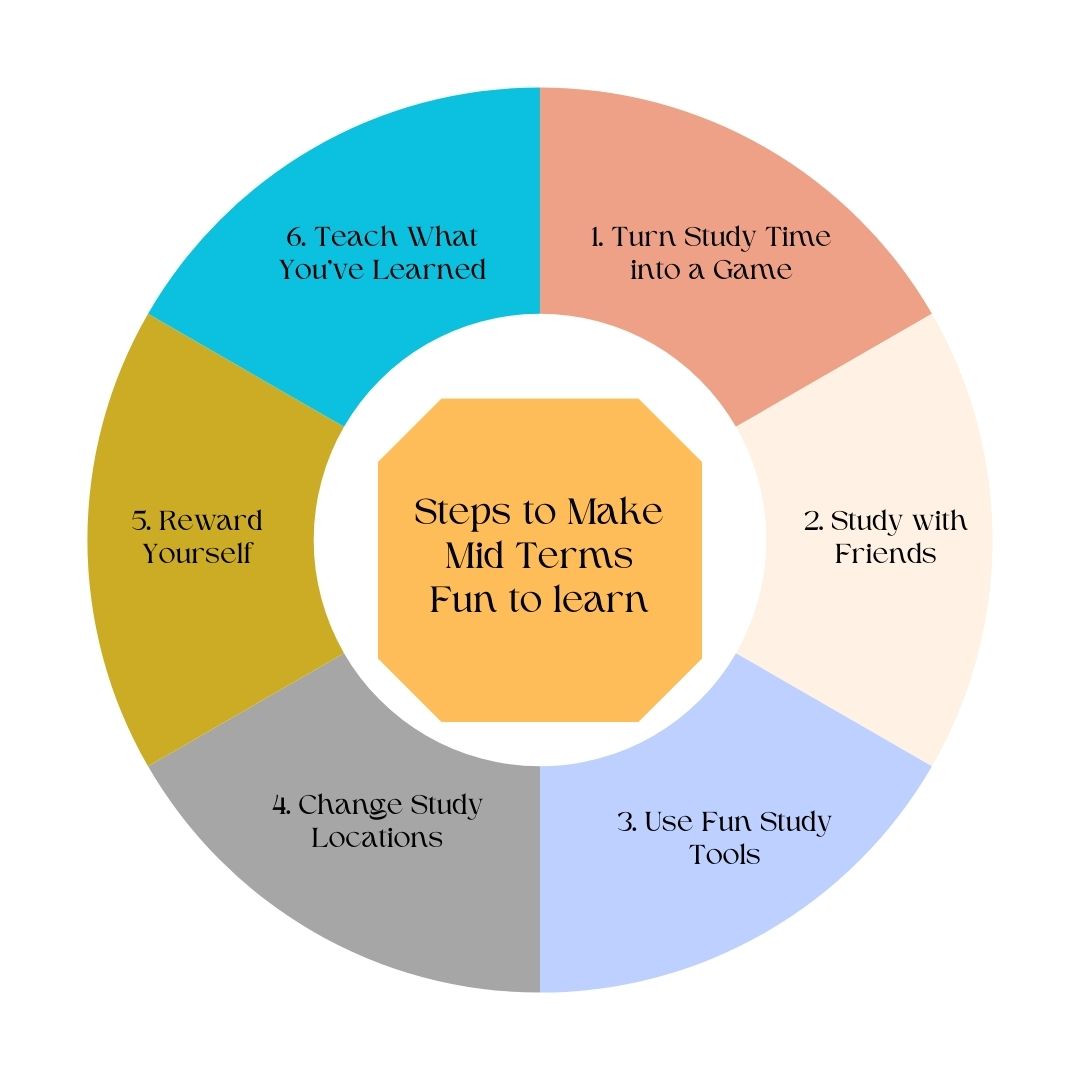
1. Turn Study Time into a Game
Create small challenges for yourself, like answering a certain number of questions in a set time or solving problems for points. You can even reward yourself with something small (like a snack or break) every time you complete a task. For example, try flashcard apps or quiz yourself with a timer for extra excitement.
2. Study with Friends
Group study sessions can be a fun way to break the monotony. You can test each other’s knowledge, explain concepts in your own words, or even create small competitions to see who can remember more. Just make sure the group stays focused and doesn’t turn into a hangout session!
3. Use Fun Study Tools
Use colourful pens, highlighters, or sticky notes to make your notes visually engaging. You can also create fun diagrams, flowcharts, or mind maps to summarize what you’ve learned. These tools make the material more appealing and easier to remember.
4. Change Study Locations
Sometimes a change of scenery can make a big difference. Study in different places, like a park, a café, or even a cozy corner of your room. This can make studying feel less like a routine and more like an adventure.
5. Reward Yourself
Set up a reward system for yourself. For example, after finishing a difficult chapter, treat yourself to a favourite snack, a 15-minute break to watch something funny, or a walk outside. These small rewards can keep you motivated and make study sessions something to look forward to.
6. Teach What You’ve Learned
Teaching someone else can be both fun and beneficial. You can explain what you’ve learned to a friend, sibling, or even a pet! Turning study material into a conversation makes it more engaging and helps you understand the concepts better.
Wrapping Up
Preparing for mid-term exams doesn’t have to be overwhelming. With the right strategies, such as organising your study materials, creating a balanced schedule, and using active learning techniques, you can set yourself up for success. Remember to stay positive, manage your time wisely, and take care of your health.
Mid-term exams are just a checkpoint in your academic journey, and with the right preparation, you can ace them!
Frequently Asked Questions
Q1. How can I remember information better while studying?
Ans. Use active learning methods like explaining concepts in your own words or teaching them to others. Regularly reviewing your notes and using visual aids like charts and diagrams also helps with long-term retention.
Q2. Should I focus on my strong subjects or weak ones?
Ans. While it’s important to review strong subjects, focus more on areas where you struggle. Identifying and addressing weak points early gives you more time to improve before the exams.
Q3. Is it helpful to review past exam papers?
Ans. Yes, reviewing past exam papers is an excellent way to familiarize yourself with the exam format, types of questions, and time management during the actual test.
Leave a Reply