

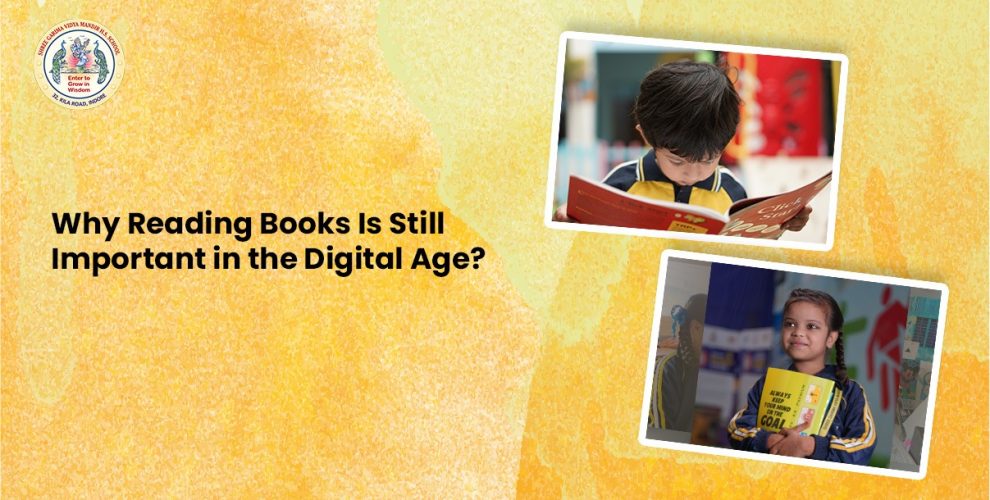
Children are surrounded by mobile phones, tablets, and computers, but the value of reading books remains strong. Books help students gain knowledge, improve language skills, and develop better focus. They also encourage imagination and allow children to explore new ideas in a meaningful way. The importance of reading books goes beyond academics.
Reading helps children become more confident, improve communication, and understand the world around them. A daily reading habit can support overall growth and create a strong foundation for future success.
Books That Help Students Learn and Grow
1. Career Guide Books for Children
Career guidance books help children learn about different professions such as engineering, medicine, law, business, design, and digital careers. These books explain skills, opportunities, and future scope, helping children choose the right path based on their interests and strengths.
2. The 7 Habits of Highly Effective Teens – Sean Covey
This book teaches children important life habits such as discipline, confidence, time management, and responsibility. It also explains how to set goals and stay focused. These lessons can support children in both school life and personal growth.
3. Ikigai
Ikigai helps children understand the importance of purpose, happiness, and doing what they enjoy. It encourages them to think about their interests and strengths. The book also teaches balance, patience, and living a meaningful life.
4. Think and Grow Rich – Napoleon Hill
This book shares the power of positive thinking, belief, and determination. It teaches children that success starts with clear goals and confidence. Reading this book can inspire them to dream big and work hard to achieve their ambitions.
5. Atomic Habits – James Clear
Atomic Habits explains how small daily habits can create big results over time. It helps children understand the importance of consistency, discipline, and regular improvement. This book is useful for building better study habits and healthy routines.
6. Do Epic Shit – Ankur Warikoo
This book shares practical life lessons about career choices, confidence, growth, and learning from mistakes. Written in simple language, it encourages children to think independently and stay open to learning new opportunities in life.
Benefits and Importance of Reading Books for Students
1. Books Improve Focus
Reading books helps children improve concentration and patience. When students read regularly, they learn to stay focused on one task for a longer time. This habit also supports better attention in studies and classroom activities.
2. Reading Builds Vocabulary
Books introduce children to new words, phrases, and sentence structures. Regular reading helps students improve their vocabulary naturally, which also supports better speaking, writing, and communication skills.
3. Books Boost Creativity
Reading allows children to imagine characters, places, and stories in their minds. This improves creative thinking and helps them develop new ideas. Books encourage children to think beyond what they see around them.
4. Reading Helps in Studies
Students who read regularly often perform better in academics. Reading improves comprehension, memory, and understanding, which helps children learn school subjects more effectively.
5. Books Reduce Screen Time
Reading books is a healthy alternative to mobile phones and television. Spending time with books helps reduce screen dependence and encourages a more productive daily routine.
6. Reading Builds Confidence
When children gain knowledge and improve communication through reading, they naturally become more confident. Reading helps them express their thoughts clearly and participate actively in school activities.
Easy Ways to Build Reading Habits
1. Set a Daily Reading Time
Choose a fixed time each day for reading, such as after school, in the evening, or before bedtime. Following a regular schedule helps children see reading as a natural part of their daily routine. Even reading for 15 to 20 minutes every day can create a strong habit over time. Consistency is more important than reading for long hours.
2. Choose Interesting Books
Give children books that match their age, level, and personal interests. Some children may enjoy storybooks, while others may like science, adventure, or picture books. When children read topics they enjoy, they stay interested and are more likely to continue reading regularly. The right book can make reading fun and exciting.
3. Create a Comfortable Reading Space
A quiet and comfortable reading space can make a big difference. Choose a place with good lighting and fewer distractions so children can focus better. It can be a small corner at home, a study table, or a cosy chair. When children have a pleasant place to read, they often feel more motivated to open a book.
4. Read Together
Parents and teachers can spend time reading with children and discussing the story afterwards. Reading together makes the activity more enjoyable and helps children understand new words and ideas. It also creates a positive connection with books. Children often feel encouraged when adults show interest in reading too.
5. Appreciate Their Effort
Praise children when they read regularly, complete a book, or try something new. Simple words of encouragement can build confidence and keep them motivated. Rewards do not always need to be gifts; appreciation, support, and recognition are often enough. Positive feedback helps children develop a lasting interest in reading.
How Parents Can Encourage Reading Habits in Children?
Parents play an important role in developing a child’s interest in reading. Children often learn by observing their parents, so when they see books being valued at home, they naturally become more interested in reading. Creating a positive reading environment can help children build this habit from an early age.
Parents can set aside a fixed time each day for reading, such as before bedtime or after school. Reading together, listening to stories, and discussing books can make the experience enjoyable and meaningful. Even a few minutes of daily reading can create a strong and lasting habit.
It is also helpful to provide books based on the child’s age and interests. Some children may enjoy storybooks, while others may prefer science, history, or activity books. Allowing children to choose their own books keeps them engaged and excited to read more.
Final Thoughts
Reading books remains one of the best habits a child can develop. It improves knowledge, focus, vocabulary, creativity, and confidence while supporting better academic performance. In a world full of screens and distractions, books continue to provide meaningful learning and personal growth. A regular reading habit can help children become thoughtful, confident, and successful individuals in the future.
At Shree Garima Vidya Mandir, we believe that education goes beyond the classroom. We encourage students to build strong reading habits, explore new ideas, and develop skills that prepare them for a bright future. With the right guidance, learning environment, and support, every child can grow into a confident learner and responsible individual.
Frequently Asked Questions (FAQs)
1. Why is reading books important for children?
Reading books helps children improve vocabulary, focus, imagination, and knowledge. It also supports better academic growth and communication skills.
2. How many minutes should children read daily?
Children can start with 15 to 20 minutes of reading every day. Regular reading is more beneficial than reading for long hours occasionally.
3. Which type of books are best for children?
Books based on age, interests, and learning level are best. Storybooks, knowledge books, career guidance books, and motivational books are all helpful.
4. How can parents encourage reading habits?
Parents can set a reading routine, read with children, provide interesting books, and appreciate their efforts regularly.
Leave a Reply